Behind the Screens: Payment Innovations Fueling Growth in Bingo adn Lottery Mobile Applications
Written by Jonas Becker · May 20, 2026
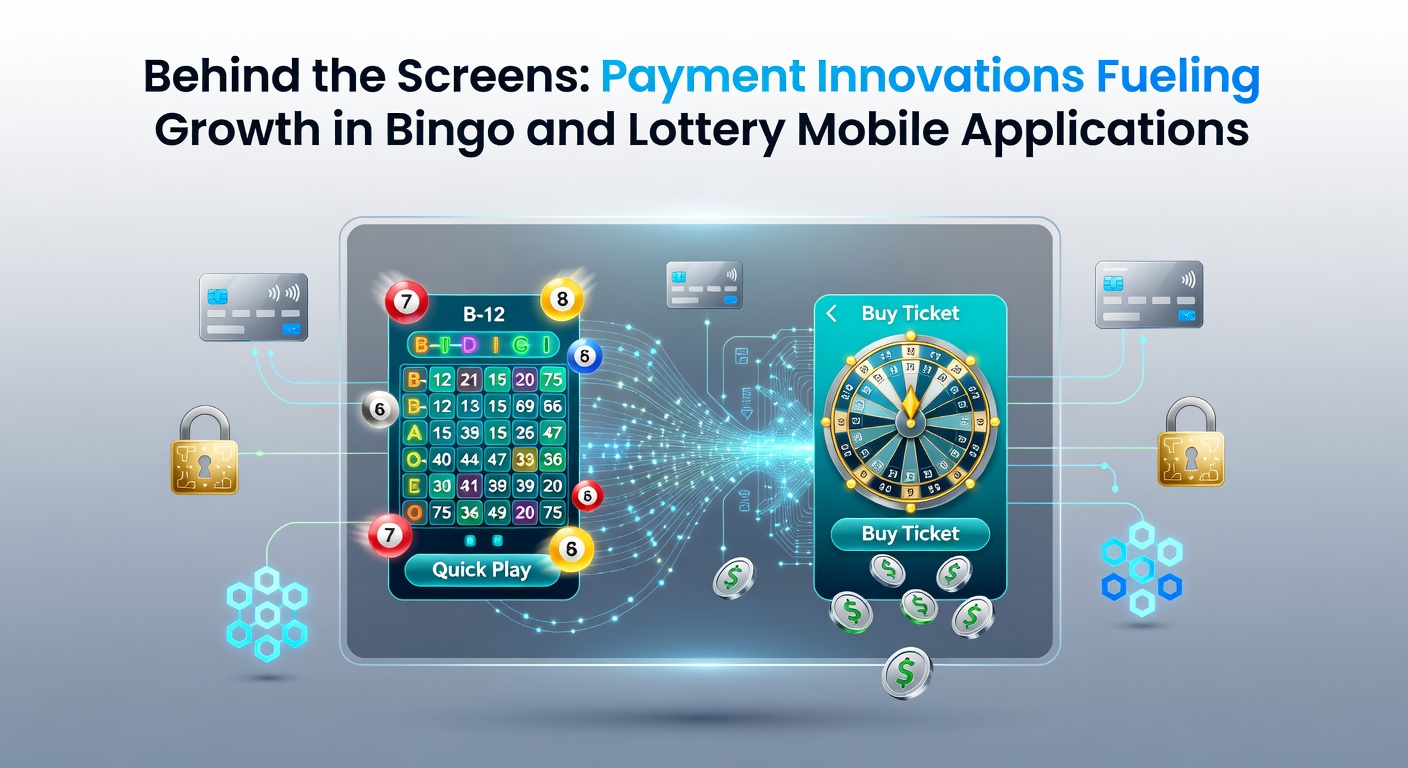
Behind the Screens: Payment Innovations Fueling Growth in Bingo adn Lottery Mobile Applications
Payment systems have transformed how players access bingo and lottery games on mobile devices, with innovations such as digital wallets, instant bank transfers, and tokenized transactions driving measurable increases in user engagement and revenue across multiple markets since 2023, while data from May 2026 continues to show sustained adoption rates that exceed earlier projections from industry analysts.
Researchers tracking mobile gaming trends have documented how these methods reduce friction during deposits and withdrawals, allowing operators to capture a larger share of casual players who previously avoided online platforms due to concerns over processing times or security protocols, and this shift aligns with broader patterns observed in regulated gaming sectors worldwide.
Digital Wallets and Instant Transfers Reshape Player Habits
Experts at research firms specializing in gaming technology report that integration of services like Apple Pay and Google Pay into bingo applications has shortened average transaction times from several minutes to under 30 seconds in many cases, a change that directly correlates with higher session durations according to aggregated app analytics shared by developers in North America and Europe, while similar patterns emerge in lottery apps where players complete ticket purchases during brief windows such as commutes or breaks.
Those monitoring adoption rates note that peer-to-peer style instant transfers, often powered by underlying banking rails like Faster Payments in various regions, now account for a growing percentage of total deposits in lottery mobile platforms, and this evolution stems from partnerships between app operators and financial technology providers that prioritize low-latency verification without compromising compliance standards set by state and provincial regulators.
Tokenization and Biometric Security Build Trust
Industry reports indicate that tokenization of payment credentials, which replaces sensitive card details with unique digital tokens, has become standard in leading bingo mobile applications, reducing exposure to fraud and enabling seamless recurring play features that encourage consistent participation without repeated manual entry, and this approach satisfies evolving requirements from bodies such as the North American Association of State and Provincial Lotteries.
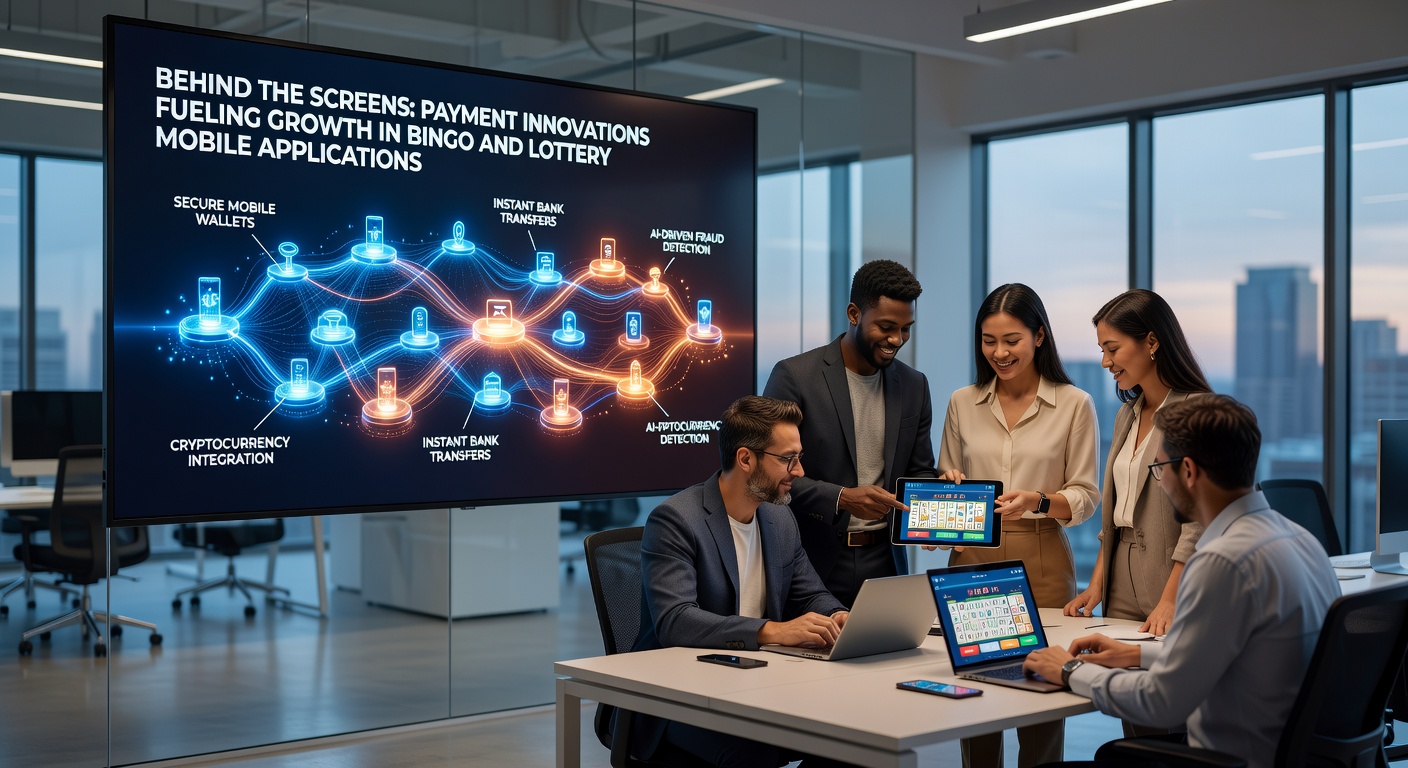
Biometric authentication layers, including fingerprint and facial recognition tied directly to payment flows, further support these gains by streamlining user verification processes that once required multiple steps, with studies from academic institutions examining user behavior confirming that such features increase completion rates for first-time deposits by noticeable margins in controlled trials conducted through 2025 and into early 2026.
Regional Variations and Regulatory Influences
Observers examining global trends highlight how regulatory frameworks in places like Australia and select Canadian provinces have accelerated the rollout of open banking integrations for lottery apps, allowing direct account-to-account movements that bypass traditional card networks and their associated fees, and these developments create competitive advantages for operators who align quickly with updated guidelines from local gaming authorities.
Data compiled by groups tracking financial inclusion in gaming shows that mobile bingo platforms incorporating cryptocurrency options in jurisdictions where permitted experience elevated activity from tech-savvy demographics, although overall volumes remain smaller compared to fiat-based methods, and this diversification reflects ongoing experimentation by providers responding to player preferences documented in periodic surveys.
Case Examples of Implementation Success
One operator in a major U.S. state expanded its lottery mobile offerings with embedded instant bank verification in late 2025, resulting in documented upticks in daily active users that persisted through May 2026 according to public performance summaries, while a European bingo network achieved similar outcomes after adopting tokenized wallet solutions that integrated smoothly with existing loyalty programs.
Analysts reviewing these implementations emphasize the role of backend infrastructure upgrades, including API connections to multiple payment processors, which minimize downtime and support scalability during peak events such as large jackpot draws or seasonal bingo promotions that draw concentrated traffic spikes.
Future Directions in Payment Technology
Developments on the horizon include greater emphasis on embedded finance features within apps, where credit or advance options could tie into responsible play limits, and preliminary models tested by fintech collaborators suggest these could further expand access for players who manage smaller, more frequent transactions without leaving the application environment.
Evidence from ongoing pilots indicates that artificial intelligence driven fraud detection, layered atop payment innovations, continues to refine risk scoring in real time, helping maintain platform integrity as transaction volumes rise in both bingo and lottery segments.
Conclusion
Payment innovations continue to underpin expansion in mobile bingo and lottery applications by addressing longstanding barriers related to speed, security, and convenience, with measurable impacts visible in user metrics and operator revenues through mid-2026, and ongoing collaborations between technology providers, regulators, and gaming companies point toward further refinements that sustain this trajectory across diverse markets.