Cross-Platform Integration in Gaming Rewards: Connecting Poker Loyalty to Lottery Participation via Mobile Wallets
Written by Hugo Sullivan · Jun 1, 2026
Cross-Platform Integration in Gaming Rewards: Connecting Poker Loyalty to Lottery Participation via Mobile Wallets
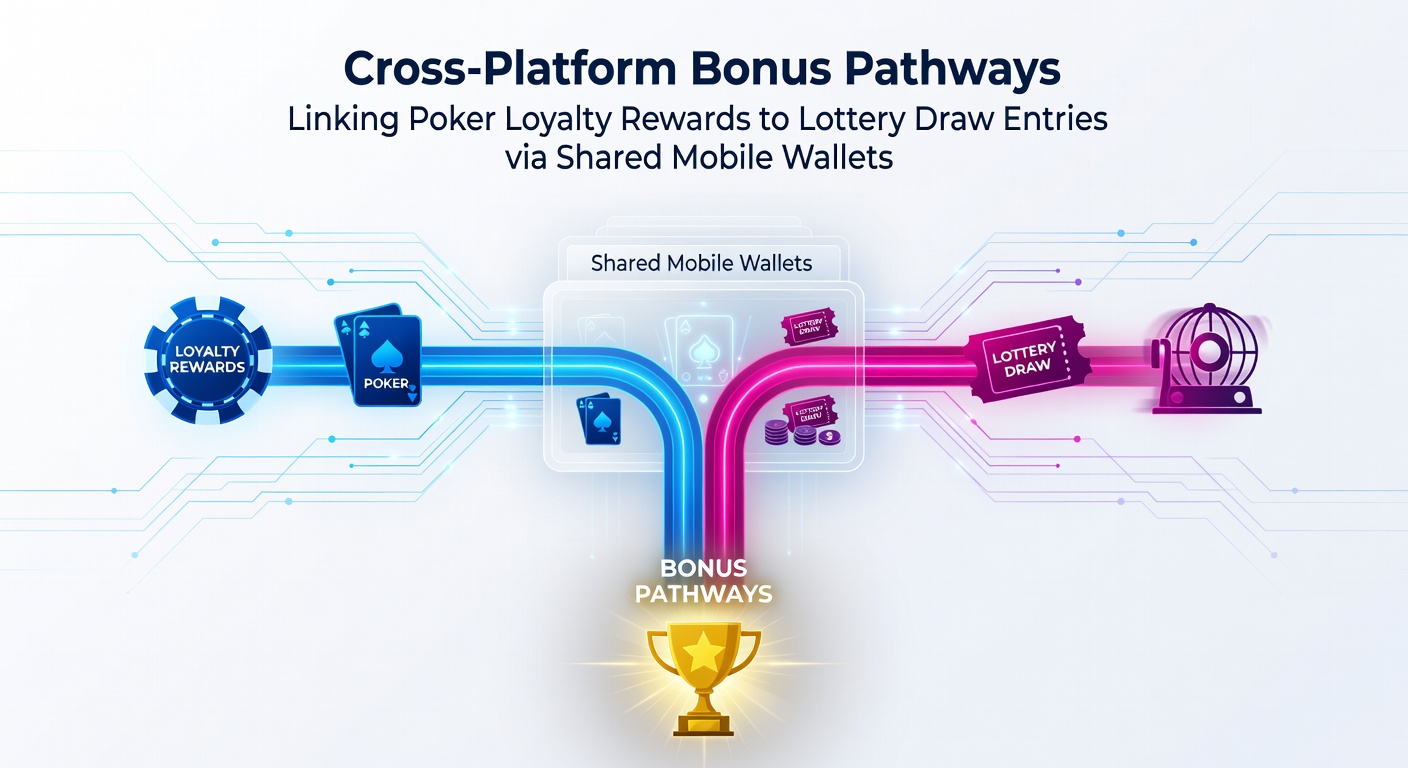
Shared mobile wallets have emerged as central tools that allow players to move loyalty rewards earned in poker rooms directly into lottery draw entries on separate platforms, creating seamless bonus pathways that operate across different gaming verticals. These systems rely on unified digital accounts where points accumulated from poker sessions convert into lottery tickets or entries without requiring separate deposits or logins. Data from multiple operators indicates that such integrations have expanded since early 2025, particularly in jurisdictions where both poker and lottery products fall under overlapping regulatory frameworks.
Mechanics Behind the Shared Wallet Connections
Operators build these pathways by linking poker loyalty programs to centralized wallet infrastructures that also support lottery platforms, so accumulated points or bonus credits transfer in real time once a player selects the lottery option within the same app environment. The process begins when a user completes a poker session and earns tiered rewards, which the wallet then tags as convertible assets eligible for lottery participation. Conversion ratios vary by operator, yet many systems apply fixed exchange rates that allow one thousand loyalty points to generate a single lottery entry ticket valued at a set amount. Research from industry tracking services shows that transaction volumes for these conversions increased steadily through the first half of 2026, with notable spikes recorded during promotional periods in June 2026 when several major platforms ran synchronized campaigns.
Security protocols require multi-factor authentication at each transfer step, while backend ledgers record every movement to satisfy audit requirements from regulatory bodies. Players receive instant confirmation inside the wallet interface, and the same balance remains accessible whether they return to poker tables or proceed to lottery draws. This continuity reduces friction that previously forced users to maintain separate accounts across unrelated sites.
Regulatory Landscape and Platform Adoption
Multiple regions have updated rules to accommodate these cross-vertical reward flows. In Ontario, the Alcohol and Gaming Commission of Ontario has issued guidance that permits licensed operators to share wallet technology between poker and lottery products provided player funds stay segregated by product type. Similar frameworks exist in several Australian states where state-run lotteries partner with private poker platforms through approved third-party wallet providers. Data compiled by the Canadian Gaming Association reveals that operators using shared wallets reported a 12 percent rise in cross-product player retention during the twelve months ending June 2026.
Platforms achieve compliance by embedding geo-fencing and age-verification checks directly into the wallet layer, ensuring lottery entries generated from poker rewards only activate in permitted jurisdictions. Operators must also maintain clear audit trails that distinguish loyalty-derived entries from direct lottery purchases, a requirement enforced during routine compliance reviews.
Player Behavior Patterns and Transaction Data
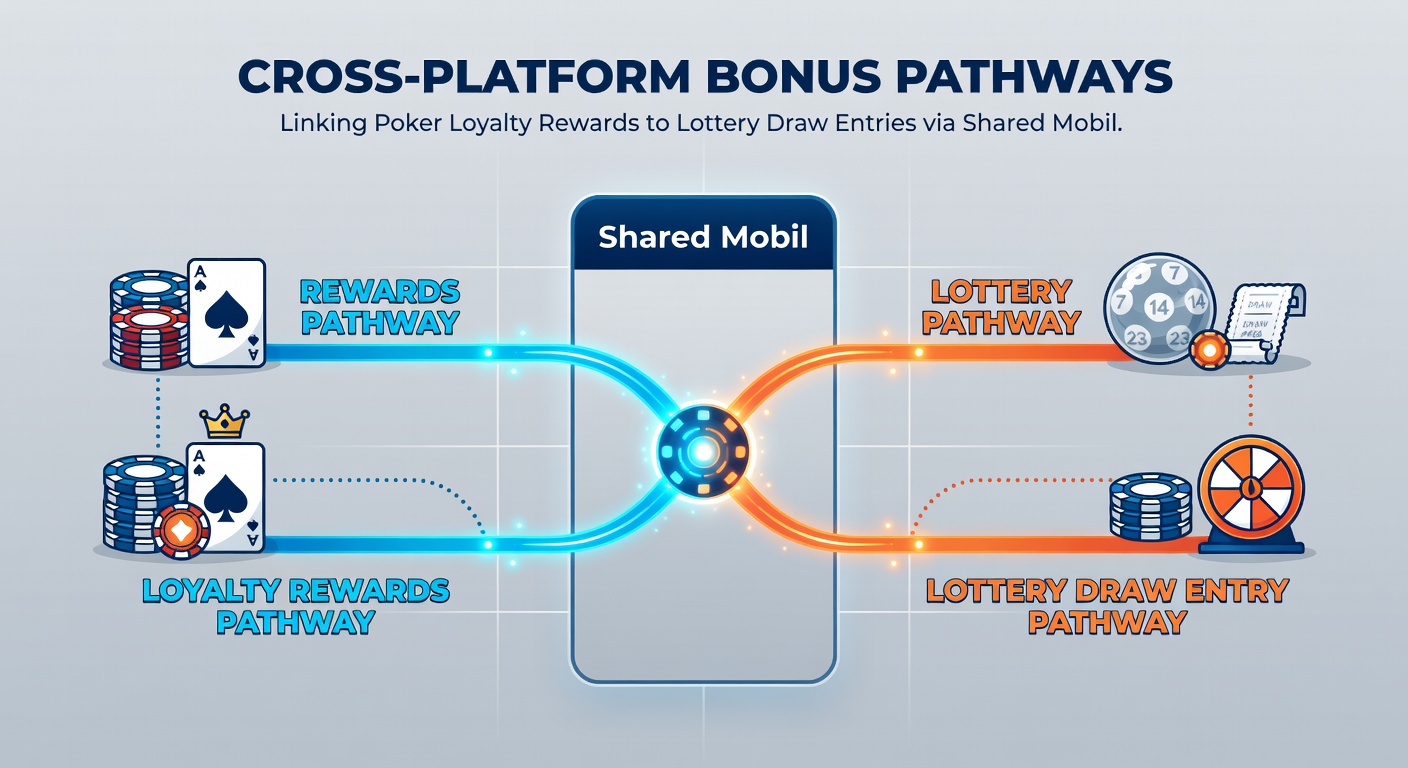
Transaction histories analyzed by research teams at the University of Nevada, Las Vegas Center for Gaming Research indicate that players who route poker rewards into lottery entries tend to maintain higher overall activity levels than those who cash out rewards immediately. The same studies found that conversion events cluster around specific times, often immediately after poker tournaments conclude or during scheduled lottery draw windows. Average conversion amounts remained modest, typically representing between five and fifteen percent of total loyalty balances per session.
One documented case involved a mid-sized European operator that introduced shared-wallet functionality in late 2025 and recorded more than 180,000 individual conversions by June 2026. The operator reported that these pathways contributed to a measurable lift in lottery ticket sales without cannibalizing poker table traffic, suggesting the two products complement rather than compete when rewards flow freely between them.
Technical Infrastructure Supporting the Pathways
Wallet providers use standardized APIs that allow poker platforms to push loyalty data into a common ledger while lottery systems pull eligible entries on demand. Encryption standards meet or exceed those required for financial transactions, and many implementations incorporate blockchain-based verification for added transparency. Updates rolled out in early 2026 introduced real-time exchange rate displays so players see exact lottery entry values before confirming transfers.
Integration testing conducted by several large networks confirmed that latency remains under two seconds for most conversions, even during peak evening hours. Redundant servers maintain uptime during maintenance windows, preventing interrupted reward flows that could frustrate users mid-session.
Future Developments and Industry Outlook
Additional features under development include automated conversion triggers that activate when loyalty balances reach preset thresholds and bundled promotions that award extra lottery entries for reaching poker milestones. Regulatory discussions in multiple jurisdictions continue to focus on consumer protection measures, particularly around clear disclosure of conversion terms and responsible gaming limits applied uniformly across linked products.
Conclusion
Shared mobile wallets have established functional pathways that move poker loyalty rewards into lottery draw entries while satisfying existing regulatory standards. Transaction records through June 2026 demonstrate consistent usage patterns and measurable retention benefits for operators employing these systems. Continued technical refinements and regulatory clarity will likely expand the scope of such integrations in additional markets.