Geolocation Systems Mapping User Movements in Cross-Border Online Betting
Written by Hugo Sullivan · Jun 22, 2026
Geolocation Systems Mapping User Movements in Cross-Border Online Betting
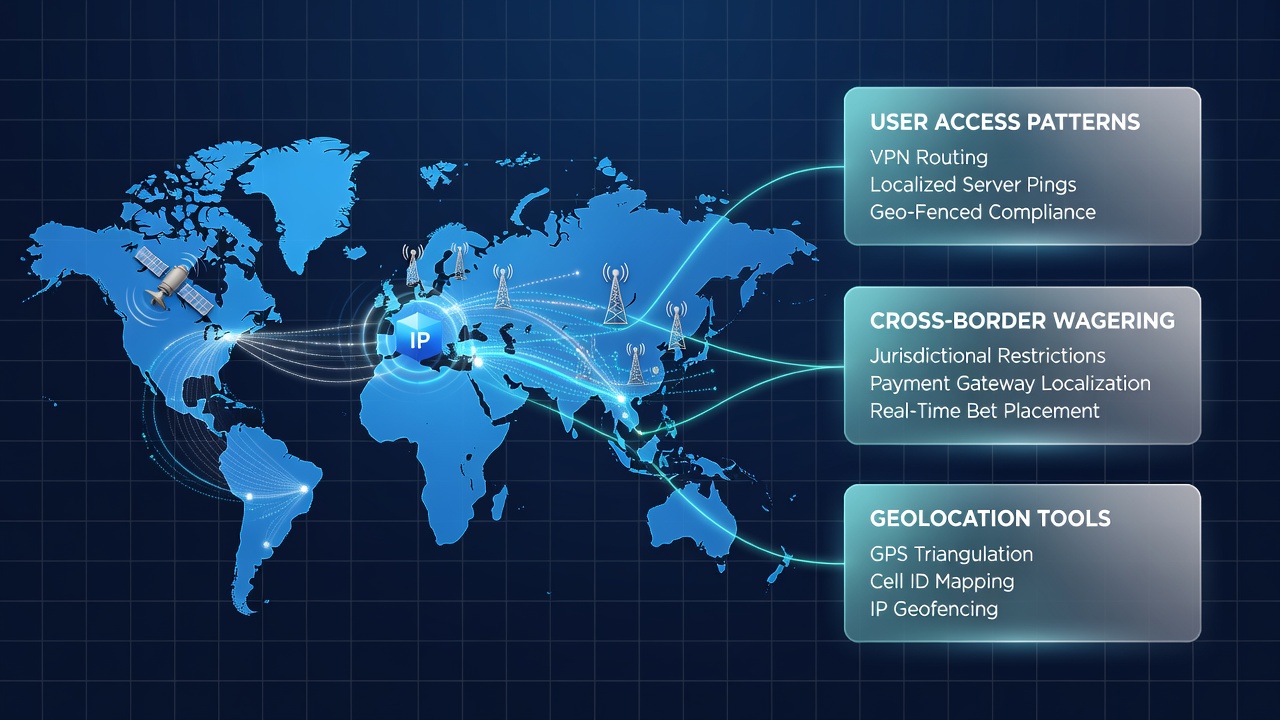
Geolocation technologies now sit at the center of how operators manage access in cross-border wagering applications, and data from multiple jurisdictions shows these tools shape everything from login attempts to deposit flows. Researchers tracking IP addresses alongside GPS coordinates have documented consistent clusters of activity near national borders, where users often test platform restrictions through repeated location pings. These patterns emerge because operators rely on layered verification that combines device signals with real-time mapping services to enforce licensing rules across different countries.
Technical Layers Behind Location Verification
Modern wagering apps deploy a combination of satellite positioning, Wi-Fi triangulation, and cellular tower data to pinpoint user locations within meters of accuracy, yet the same systems must account for VPN tunnels and proxy servers that mask true coordinates. Studies from regulatory bodies indicate that successful geoblocking occurs when platforms cross-reference multiple data points in under three seconds, and failure rates drop significantly once operators integrate machine learning models trained on historical access logs. Observers note that these models improve over time because they learn to flag unusual movement speeds, such as a user jumping from one continent to another within minutes, which rarely aligns with legitimate travel.
What's interesting is how access patterns shift during major sporting events, when traffic spikes from regions outside licensed territories trigger automated alerts that reroute or block sessions before wagers can be placed. Data collected in early 2026 revealed that such event-driven surges often originate from shared IP ranges associated with hotels and airports, prompting platforms to refine their whitelisting procedures for temporary visitor accounts.
Regulatory Pressures Across Regions
European authorities, including those overseeing markets in Malta and Gibraltar, require operators to maintain audit trails of every location check performed on players, while Australian state regulators have begun demanding similar documentation for apps that accept wagers from international users. Canadian provincial frameworks add another layer by mandating that geolocation accuracy thresholds remain above 99 percent during peak hours, and non-compliance can result in immediate license reviews. These rules push developers to refine their tools continuously, since even small discrepancies in mapping data can expose platforms to fines or market exclusion.
Observed User Behaviors and Data Trends
Transaction histories analyzed by industry research groups show that users in border regions frequently switch between multiple devices within short timeframes, a behavior that geolocation systems now flag as potential multi-accounting attempts. One study covering activity through June 2026 found that cross-border sessions lasting longer than 45 minutes correlated strongly with higher deposit volumes, yet those same sessions also displayed elevated rates of location drift when users moved between cellular and Wi-Fi networks. Operators respond by inserting additional verification prompts at these transition points, which reduces unauthorized access without disrupting the majority of compliant players.
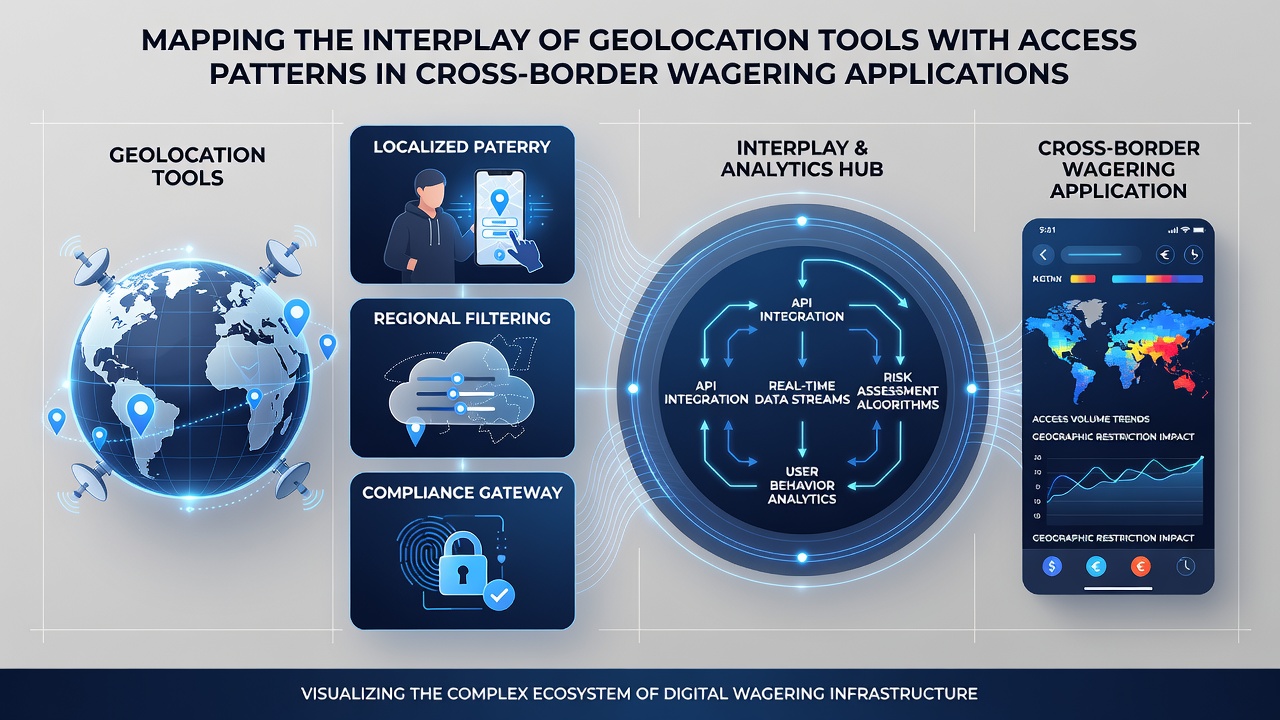
But here's the thing: patterns do not always indicate rule-breaking, because legitimate travelers often trigger the same alerts when crossing time zones or using hotel networks. Platforms that incorporate user history and device fingerprinting alongside location data achieve better balance, allowing continued access for verified accounts while maintaining strict controls on new registrations from restricted zones.
Integration with Payment and Loyalty Systems
Payment processors tied to wagering applications now embed geolocation checks into every transaction, which means a deposit attempted from an unrecognized region can halt before funds reach the account. According to reports from the European Gaming and Betting Association, this integration has reduced chargeback rates by measurable margins in markets where cross-border play is monitored closely. Loyalty programs also benefit because operators can segment rewards based on verified location clusters, offering targeted bonuses only to users whose access patterns remain within licensed territories.
Yet challenges persist when users employ satellite-based internet services that provide less precise location data than traditional cellular connections, forcing some platforms to maintain fallback manual review processes. Those who've studied these edge cases know that ongoing collaboration between mapping providers and gaming software firms continues to close accuracy gaps, particularly as 5G networks expand coverage in previously underserved areas.
Future Directions in Location Intelligence
Academic papers published through mid-2026 highlight emerging uses of blockchain-stored location proofs that allow users to demonstrate compliance without revealing exact coordinates to every operator. These approaches could reshape how access patterns are mapped, because they shift verification from centralized databases to distributed ledgers that multiple regulators can audit. Industry organizations tracking these developments report that pilot programs in select jurisdictions already demonstrate reduced latency while preserving the security standards required for licensed operations.
Conclusion
The interplay between geolocation tools and access patterns continues to evolve as operators refine their systems to meet both regulatory demands and user expectations across borders. Evidence from transaction logs, regulatory filings, and technical audits shows that layered verification methods deliver the most reliable results when they combine multiple data sources in real time. Platforms that adapt quickly to changing movement trends and network conditions maintain stronger compliance records while supporting legitimate international participation where permitted.