Insights from Deposit Methods: Player Trends in Integrated Sportsbooks and Online Slots
Written by Hugo Sullivan · May 18, 2026
Insights from Deposit Methods: Player Trends in Integrated Sportsbooks and Online Slots
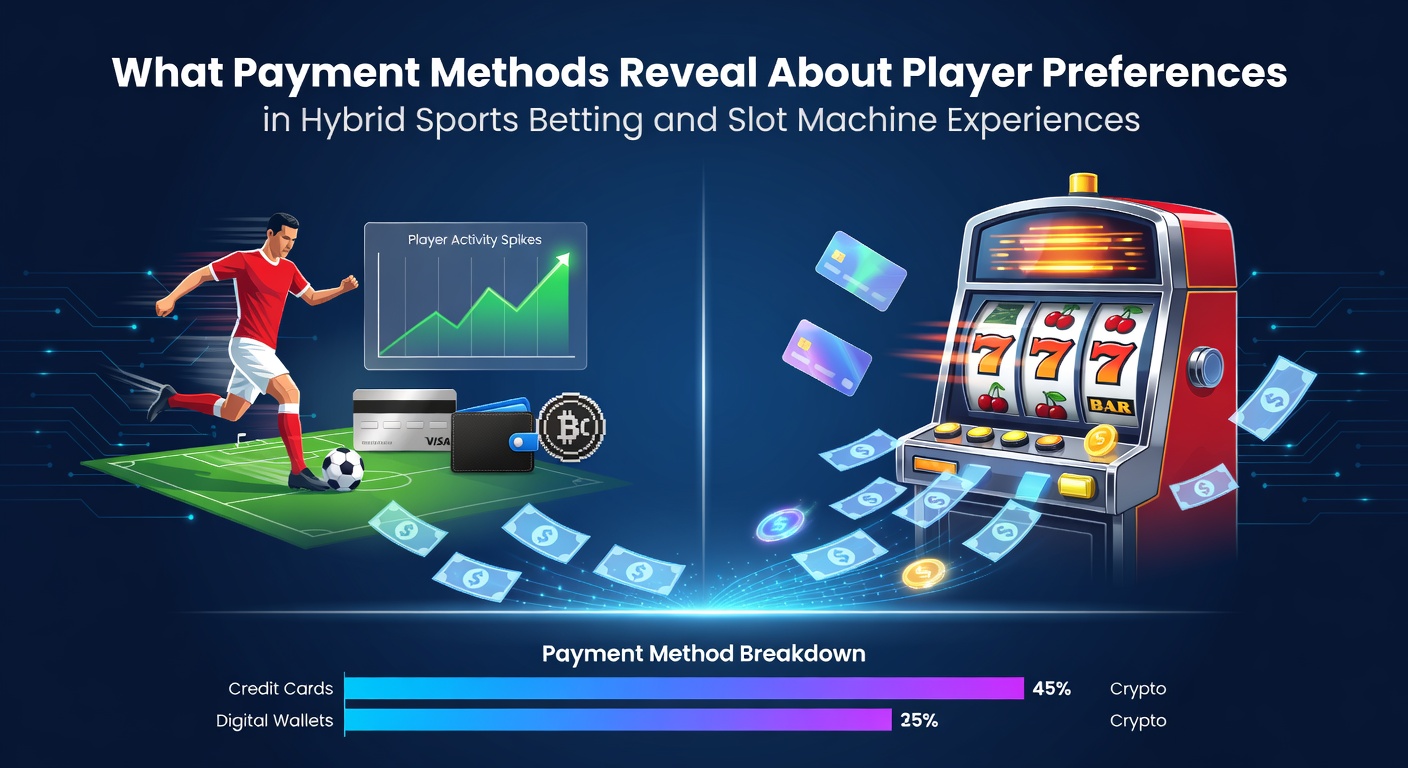
Payment methods used in hybrid sports betting and slot machine experiences provide clear indicators of how participants approach their sessions, with choices reflecting priorities around speed, privacy, and transaction size. Data collected through platform analytics in early 2026 shows distinct patterns emerging as operators combine live event wagering with reel-based games on single apps and websites, allowing seamless switches between activities during one login period.
Common Payment Options and Their Usage Patterns
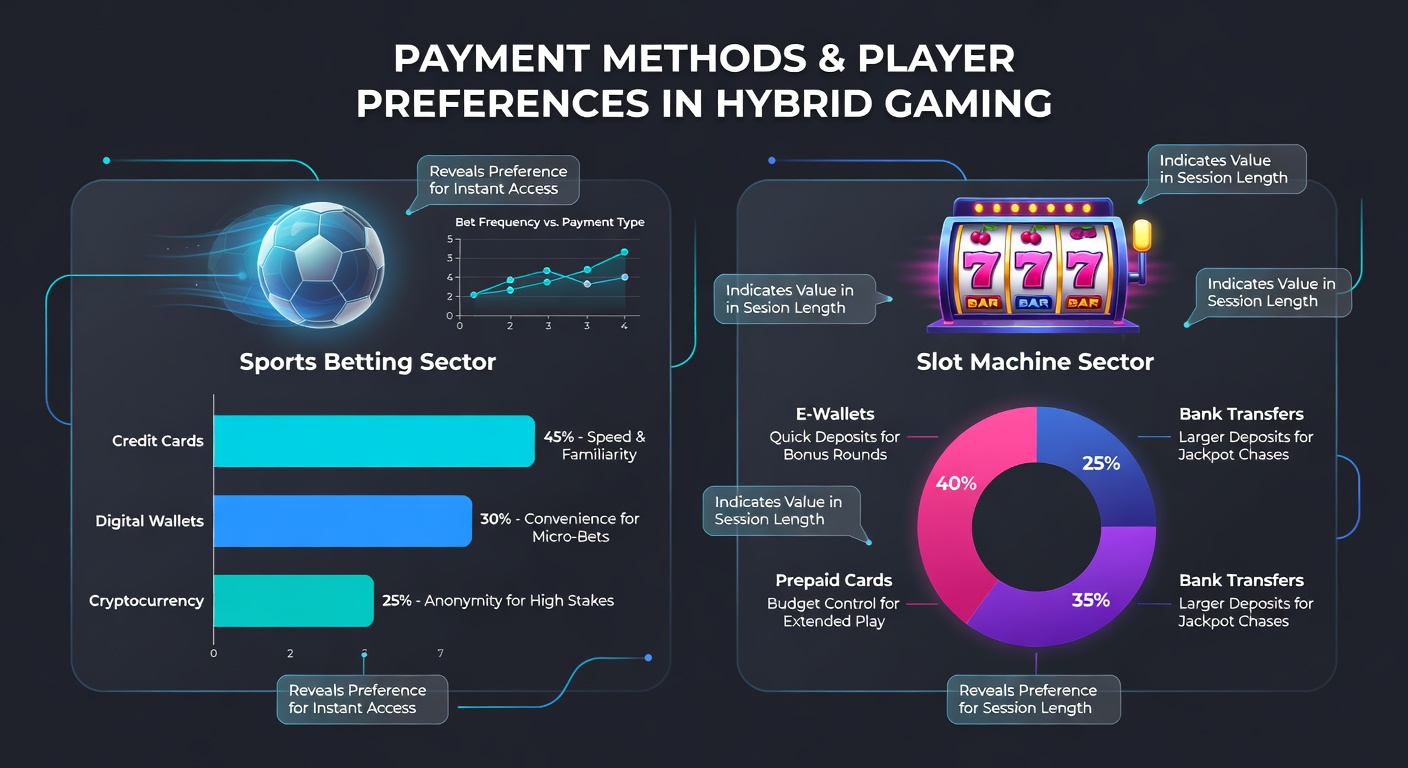
Digital wallets continue to dominate deposits for hybrid players because they support instant transfers that align with quick decisions during sports events and rapid spins on slots, while credit and debit cards remain popular for larger, planned sessions that often mix both activities over longer periods. Bank transfers appear less frequently in real-time hybrid environments since they typically involve delays that disrupt the flow between placing a bet on a game and jumping into a slot tournament, yet these methods see steady adoption among users who prefer scheduled funding for weekly play routines.
Cryptocurrency options have gained measurable traction in markets where regulations permit them, with transaction logs revealing higher average deposit amounts from crypto users who engage in both sports betting markets and progressive jackpot slots within the same hour. Observers note that e-wallet adopters tend to favor mobile interfaces for hybrid play, executing smaller, repeated deposits that match the pace of live odds changes alongside short slot sessions.
Regional Variations in Method Preferences
Figures from North American operators indicate that players in states with expanded mobile sports betting show stronger preference for instant bank apps when funding hybrid accounts, whereas European markets report elevated use of prepaid vouchers for slot-heavy segments that occasionally include in-play sports wagers. In Australian jurisdictions, data compiled through 2026 highlights a rise in digital wallet usage tied to combined experiences, with average transaction values sitting higher during major sporting tournaments that coincide with slot promotions.
One analysis conducted by researchers at the University of Sydney examined deposit logs across hybrid platforms and found correlations between payment type and session duration, showing that card users often extend play across multiple sports markets and slot themes while crypto participants complete focused, high-value interactions before cashing out. These patterns hold consistent in reports covering activity through May 2026, when seasonal events like basketball playoffs and summer slot festivals drove increased cross-activity engagement.
How Transaction Data Reflects Activity Mixing
Platform records demonstrate that participants who alternate between sports betting and slots within single sessions gravitate toward methods offering low fees and quick confirmations, since these features reduce friction during switches from live event tracking to automated game rounds. Studies tracking user behavior reveal that e-wallet holders complete more frequent but smaller deposits, suiting the hybrid model where a user might fund a small sports wager then add credits for a bonus round on slots without leaving the app.
Those who've examined aggregated data from multiple operators point out that privacy-focused methods like certain cryptocurrencies correlate with higher engagement in anonymous tournament modes that blend betting on outcomes with slot leaderboards. Traditional card payments, by contrast, appear more often in accounts that maintain steady balances for extended hybrid play, allowing users to move between activities without repeated funding steps.
Industry Reports on Emerging Trends
According to recent industry research from the American Gaming Association, hybrid platform users increasingly select payment tools that integrate with loyalty programs, earning rewards across both sports and slots activities from one account balance. This integration encourages repeat deposits through the same method once players establish routines that link betting streaks with slot bonuses.
Additional findings from Canadian regulatory summaries issued in spring 2026 show that debit-based instant transfers lead in regions where hybrid products launched recently, with logs indicating these methods support the spontaneous mixing of activities that defines the format. Observers tracking these metrics note that payment preferences also shift based on promotional timing, as limited-time offers on slots paired with live sports events draw users toward whichever method processes the quickest reloads.
Future Implications for Platform Design
Operators continue refining payment gateways to accommodate the documented preferences, adding more instant options that support fluid transitions between sports markets and slot libraries. Transaction volume reports through May 2026 suggest sustained growth in hybrid usage will further highlight how method selection influences overall engagement levels and average spend per session across combined offerings.
Conclusion
Payment method data offers measurable insights into how users structure their time across sports betting and slot experiences, with patterns tied to speed, privacy, and integration needs becoming clearer through ongoing platform monitoring. Regional differences and seasonal influences continue shaping these choices, providing operators with concrete information for refining hybrid product features and funding tools in the months ahead.