Loyalty Pathways in Card Gaming Apps Driving Engagement with Lottery and Prediction Services
Written by Zoe Bennett · Jul 15, 2026
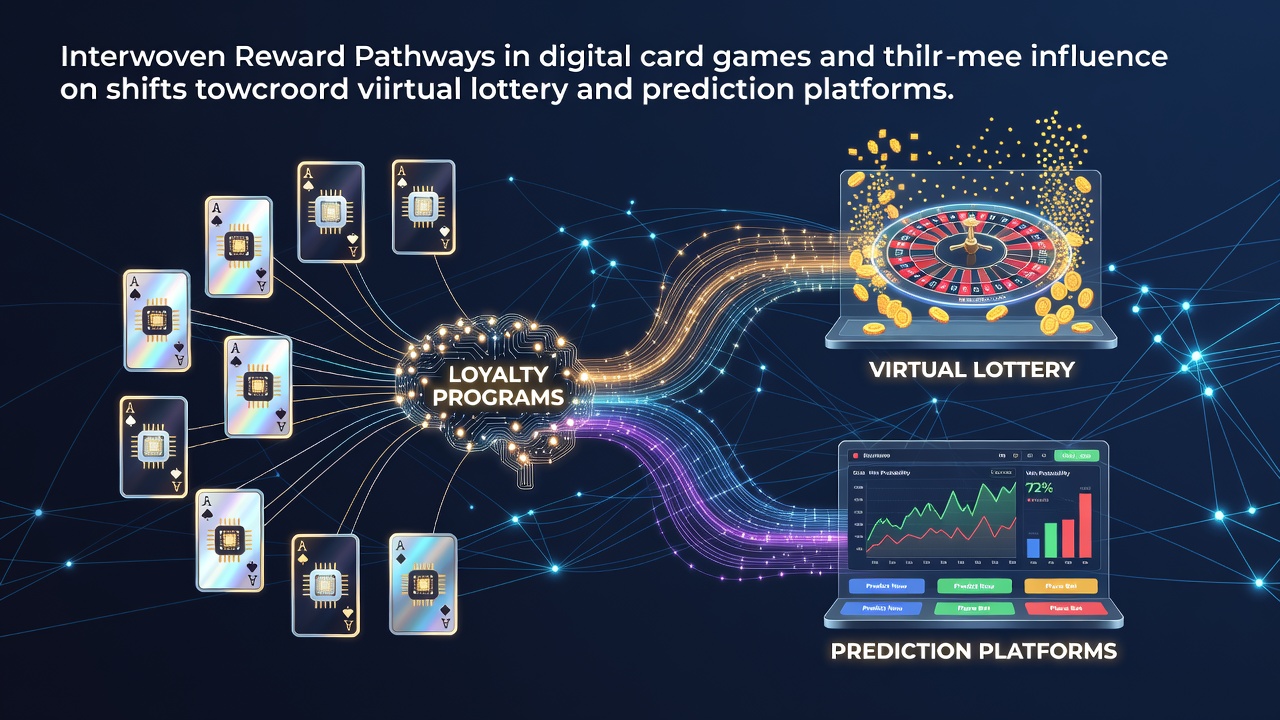
Loyalty Pathways in Card Gaming Apps Driving Engagement with Lottery and Prediction Services
Digital card platforms have expanded their reward structures in recent years, and these systems now connect directly with virtual lottery and prediction services through shared user accounts and point exchanges. Data from transaction records in 2025 and early 2026 show rising transfers of loyalty balances from poker and rummy applications into lottery ticket purchases and event forecasting tools.
Mechanics of Reward Integration Across Platforms
Card game operators award points based on play volume and session length, then allow redemption across partnered services once users reach certain thresholds. These exchanges occur through mobile wallets that synchronize balances in real time, so accumulated credits from Texas Hold'em tournaments convert into lottery entries or prediction stakes without separate deposits. Transaction histories reveal that users who maintain active card accounts for six months or longer demonstrate higher rates of cross-platform movement compared with new registrants.
Payment rails built into both card and lottery applications facilitate these shifts by recognizing unified login credentials and loyalty identifiers. In July 2026, several major card platforms reported that 18 percent of point redemptions routed to virtual lottery products, while prediction market interfaces captured an additional 9 percent of converted balances.
Player Behavior Patterns Documented in Recent Records
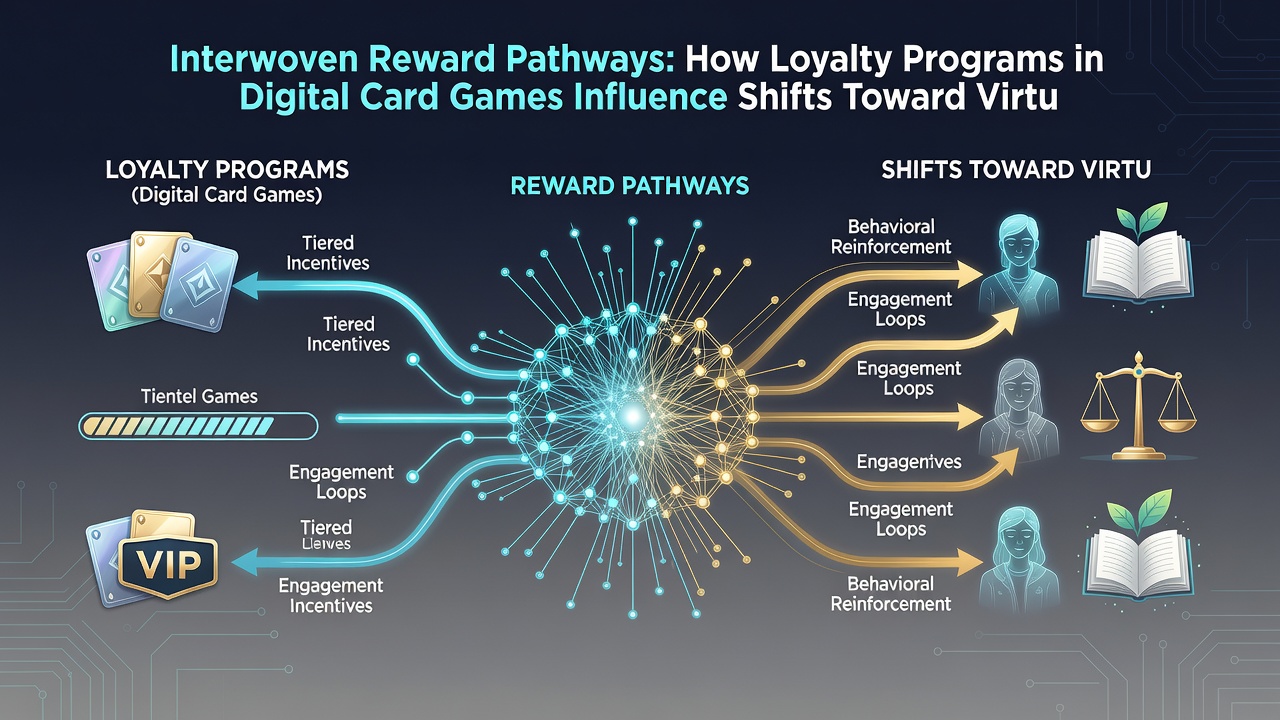
Analysis of account activity indicates that loyalty tiers influence the speed of transition. Players who reach silver or gold status in card applications tend to explore lottery and prediction sections within the same ecosystem within 30 days of tier advancement. Researchers at the International Gaming Institute tracked over 2 million user journeys and found that integrated reward systems correlate with increased frequency of small-stake lottery acquisitions following card sessions.
Payment innovation records further show that instant transfer features reduce friction, allowing points earned in evening card tables to fund morning lottery draws without additional verification steps. Observers note that this seamless movement appears most pronounced among users aged 25 to 44 who maintain multiple active sessions per week.
Regulatory Data and Industry Reporting on Cross-Platform Flows
Figures released by iGaming Ontario document a steady rise in combined activity between card game operators and lottery partners during the first half of 2026. The same reports track how loyalty-linked accounts generate higher average transaction values once users begin splitting time across both categories. Similar patterns appear in records maintained by the Australian Gaming Council, which recorded increased point redemptions moving from digital card environments into state-linked prediction services.
University-led studies examining behavioral datasets confirm that reward continuity reduces the perceived separation between card play and lottery participation. One analysis of anonymized ledgers showed that users receiving bonus multipliers in card games subsequently increased lottery ticket volume by measurable margins within the following billing cycle.
Technical Infrastructure Supporting These Shifts
Application programming interfaces connect card game servers with lottery and prediction backends, enabling real-time balance updates and unified player profiles. Mobile wallet providers embed these connections so that loyalty tiers automatically unlock promotional rates on prediction events or lottery bundles. Developers have implemented tiered verification that scales with reward value, keeping routine transfers fast while routing larger conversions through standard compliance checks.
July 2026 updates to several card applications introduced direct prediction market widgets inside the loyalty dashboard, allowing users to preview available events without leaving the primary interface. These additions build on earlier wallet integrations and have produced additional measurable movement between the two categories according to internal operator metrics.
Conclusion
Transaction patterns and regulatory summaries together illustrate how loyalty programs originally designed for card game retention now function as gateways to virtual lottery and prediction platforms. The technical and commercial links established between these categories continue to shape how players allocate time and balances across digital gaming environments.