Payment Technologies Connecting Slot Reels to Lottery Draws on Handheld Devices
Written by Jonas Becker · Jul 11, 2026
Payment Technologies Connecting Slot Reels to Lottery Draws on Handheld Devices
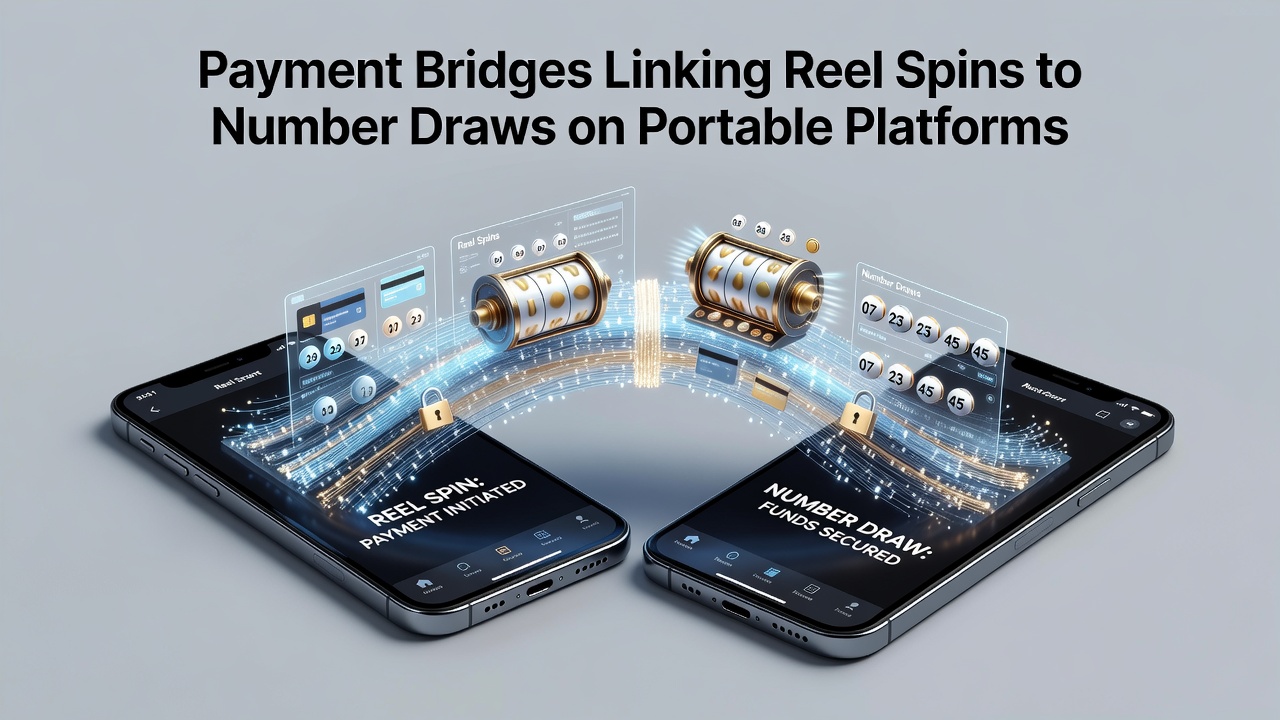
Payment systems now link reel-based games directly to number-draw lotteries through unified mobile wallets and instant settlement networks. These bridges allow players to move funds between slot sessions and lottery entries without leaving a single application or re-entering banking details multiple times. Data from transaction logs shows that such integrations have expanded across several jurisdictions since early 2025, with mobile operators reporting higher cross-product participation rates.
How Instant Settlement Networks Operate
Modern payment bridges rely on application programming interfaces that connect different gaming ledgers in real time. When a user completes a slot spin, the system can route a portion of winnings or a separate deposit into a lottery ticket pool within the same platform. Operators achieve this through tokenized accounts that maintain separate ledgers yet share a common funding source, reducing the steps required for each transfer.
Studies conducted by regional gaming authorities indicate that these connections reduce average transaction time from 45 seconds to under 8 seconds in most implementations. The technology uses encrypted tokens rather than full account numbers, which limits exposure while still permitting regulators to trace fund movements when required.
Regional Adoption Patterns in 2026
North American operators began rolling out these bridges more widely after state-level approvals in late 2025. By July 2026 several platforms in regulated markets recorded that 22 percent of mobile slot users had also purchased lottery entries through the same wallet session. Similar patterns appear in parts of Canada and Australia where lottery and casino products fall under overlapping licensing frameworks.
European markets have followed a different sequence because many countries maintain separate regulatory bodies for casino games and state lotteries. Nevertheless, private operators licensed in multiple jurisdictions have introduced unified wallets that comply with each region's reporting rules. Transaction volume data released by industry associations shows steady month-over-month growth through the first half of 2026.
Technical Components Behind the Connections
Three main elements support these payment bridges. First, standardized wallet protocols allow balance updates across products without external bank calls. Second, risk-scoring engines evaluate each transfer against responsible-gaming limits before execution. Third, reconciliation modules generate the audit trails required by oversight bodies.
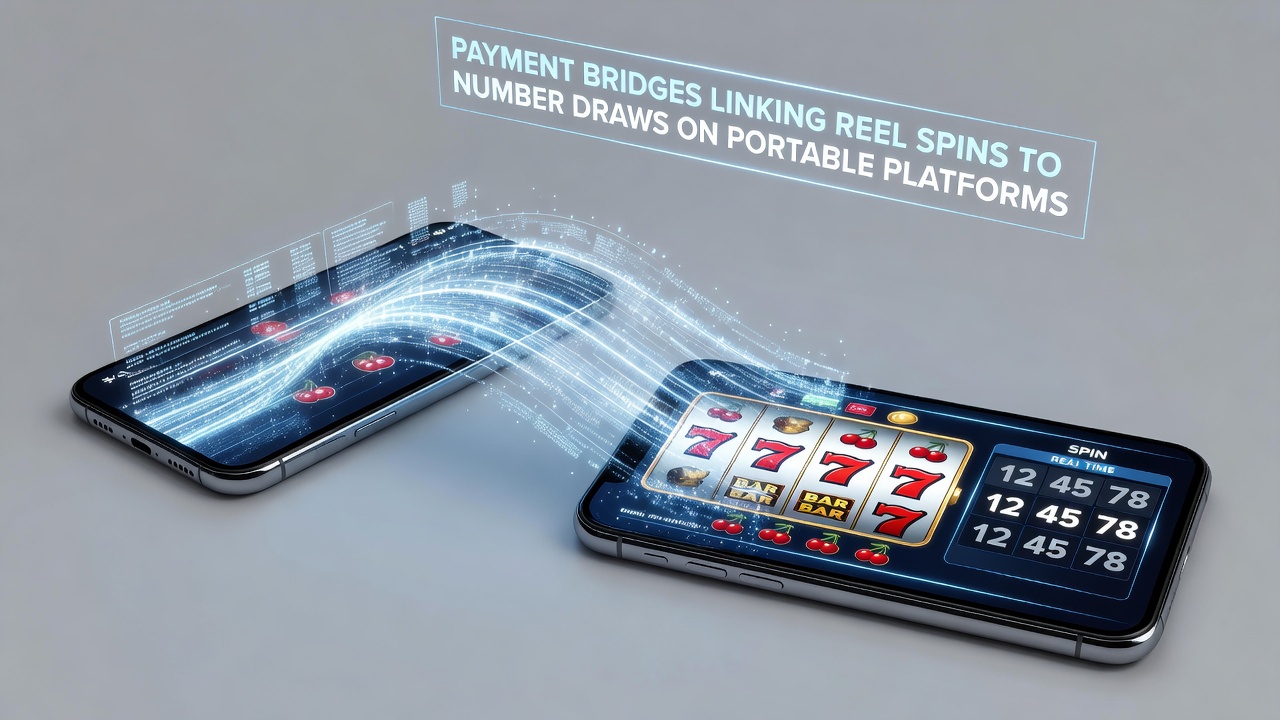
Developers test these components through simulated high-volume periods that mirror peak evening hours. Results from such tests demonstrate that the systems maintain 99.7 percent uptime while processing thousands of simultaneous micro-transfers. Security certifications from independent laboratories confirm that encryption standards meet or exceed current financial-services benchmarks.
User Behavior Data and Platform Metrics
Analytics firms tracking anonymized activity report that players who use integrated wallets tend to maintain longer overall session times than those who switch between separate applications. Average deposit frequency rises modestly while individual transaction sizes remain consistent with previous patterns. These observations come from aggregated datasets supplied by operators across multiple jurisdictions.
One analysis covering the period from January through June 2026 found that lottery ticket purchases initiated from within slot interfaces accounted for 14 percent of total lottery mobile revenue in participating markets. The same dataset showed that the reverse path, moving lottery winnings into slot balances, represented 9 percent of slot funding events during the same months.
Regulatory Oversight and Compliance Requirements
Regulators require operators to maintain clear separation between different product categories even when payment rails are shared. This means each transaction carries metadata identifying whether it funds a slot wager or a lottery entry. Monthly reports submitted to bodies such as the Nevada Gaming Control Board and the Canadian Gaming Association include breakdowns by product type and payment method.
Compliance teams also monitor for patterns that might indicate problem gambling across product lines. Automated alerts trigger when spending velocity exceeds thresholds set by the platform or by local rules. These safeguards apply uniformly whether the activity occurs inside a single app or across linked services.
Future Infrastructure Developments
Industry working groups continue to refine standards for cross-product payment messaging. Proposed updates include support for conditional transfers that activate only when certain game outcomes occur. Testing of these features remains limited to controlled environments as of July 2026.
Hardware improvements in portable devices, including faster near-field communication chips and improved biometric authentication, are expected to further streamline the user experience. Operators anticipate that these enhancements will support even smaller transaction sizes without increasing processing costs.
Conclusion
Payment bridges that connect reel spins to number draws now form a measurable part of mobile gaming infrastructure in multiple regulated markets. Transaction data through mid-2026 shows consistent adoption across different regions while regulatory frameworks continue to adapt to the shared rails. The underlying technology relies on established financial standards adapted for gaming compliance, and further refinements remain under active development by operators and technology providers.