Smartphone Lottery Participation Expands Through Cross-Border Payment Networks
Written by Jonas Becker · Jul 18, 2026
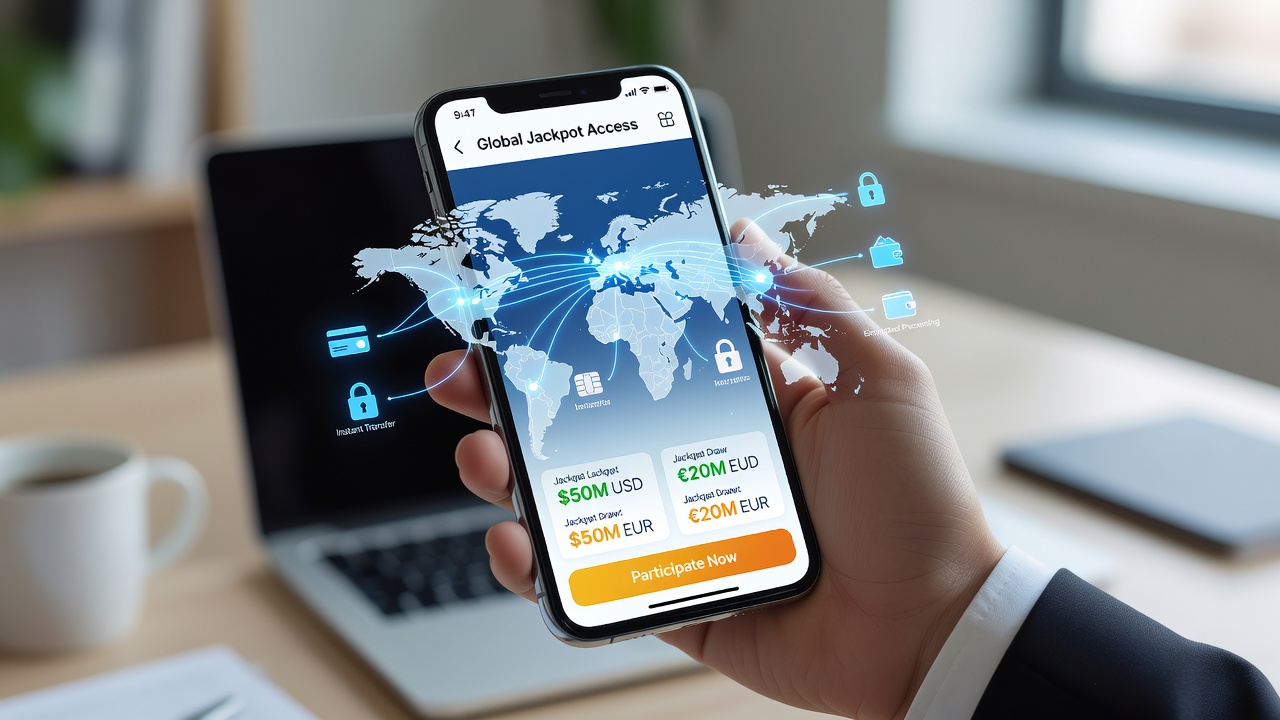
Smartphone Lottery Participation Expands Through Cross-Border Payment Networks
Payment Infrastructure Supports Cross-Border Lottery Access
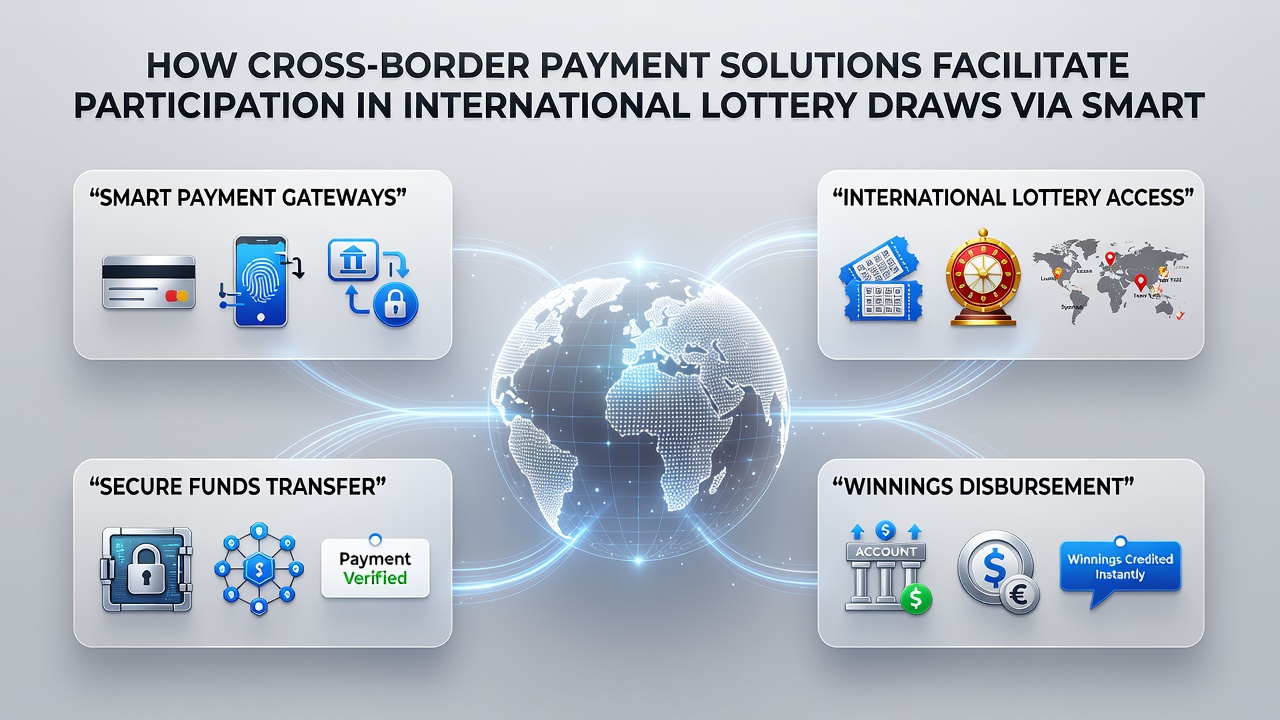
International lottery operators now integrate payment gateways that handle currency conversion and regulatory compliance across multiple jurisdictions, allowing smartphone users to purchase tickets for draws in countries where they do not reside. These systems process transactions in real time through networks such as SWIFT and regional instant payment rails, reducing the friction that once limited participation to domestic players only.
Research from the Bank for International Settlements shows that cross-border payment volumes in the gaming sector grew steadily between 2023 and 2025, driven largely by mobile applications. The same data indicates that lottery ticket sales via smartphones accounted for an increasing share of total entries in several European and Asian markets during that period.
Mobile Applications Integrate Multiple Payment Methods
Smartphone apps connect users to a range of cross-border solutions including e-wallets, bank transfers, and card networks that support multi-currency settlement. Operators embed these tools directly into checkout flows so that a participant in one country can complete a purchase for a draw held elsewhere without leaving the application interface.
According to figures released by the European Payments Council, instant payment schemes such as TIPS and TARGET Instant Payment Settlement processed growing numbers of gaming-related transfers in 2025. Lottery platforms adopted these rails to meet settlement speed requirements set by regulators in participating member states.
Regulatory Frameworks Shape Transaction Flows
Governments maintain licensing conditions that require payment processors to verify player location and age before releasing funds to lottery operators. In July 2026 several jurisdictions updated their reporting standards for cross-border gaming payments, requiring operators to submit aggregated transaction data on a quarterly basis.
These rules align with broader anti-money laundering directives that apply to any financial service handling international transfers. Payment providers therefore embed compliance checks at the point of transaction, which in turn supports continued access for legitimate lottery participants.
Technical Mechanisms Behind Seamless Entries
Application programming interfaces link lottery platforms to payment gateways that perform currency conversion at prevailing market rates while applying operator-set fees. The process typically completes within seconds, after which the ticket is recorded in the central draw system and a confirmation appears on the user device.
Observers note that tokenization of card details and biometric authentication have reduced both fraud rates and abandoned transactions in mobile lottery channels. Data compiled by industry trade groups indicates that these security layers contributed to higher completion rates for international ticket purchases compared with earlier web-based methods.
Participation Patterns Across Regions
Players in regions without local lotteries increasingly use smartphone applications to enter major international draws. Transaction records examined by academic researchers reveal recurring purchase patterns tied to specific draw dates and jackpot thresholds, with payment volumes rising in the days leading up to those events.
One analysis conducted by university economists tracked entries from multiple source countries into a single European lottery over a twelve-month window. The study found that the majority of cross-border purchases originated through mobile applications rather than desktop sites, highlighting the role of smartphone convenience in expanding access.
Future Developments in Lottery Payment Connectivity
Industry reports project continued investment in open banking interfaces that allow direct account-to-account transfers for lottery entries. These developments build on existing infrastructure and aim to further reduce reliance on card networks for recurring or high-value transactions.
Operators continue to test integrations with emerging payment rails in Asia and Latin America, where mobile money penetration already supports domestic lottery sales. Early adoption data suggests these same channels can extend to international draws when paired with appropriate compliance frameworks.
Conclusion
Cross-border payment solutions now form a core component of mobile lottery infrastructure, enabling smartphone users to participate in draws beyond their home jurisdictions. Continued alignment between payment networks, regulators, and operators supports the expansion of these channels while maintaining required verification standards. Data from multiple sources shows steady growth in transaction volumes and participation rates as the underlying technology matures.